Featured
The Facts About "Bankruptcy Wrecks Your Future" and More ...
Rumored Buzz on Is What to Expect from the Post-Bankruptc...
The Basic Principles Of Building Your Custom Route to Sta...

Indicators on Financial Conditions Impacting How More Peo...

The Single Strategy To Use For Staying Away From the Same Patterns After Why Confidentiality Matters in Nonprofit Financial Services : APFSC
Table of Contents
That releases up money in the short-term, and you might have three to 4 years to conserve towards the negotiation quantity. Very hazardous to credit report, primarily as a result of missed repayments and an adverse "resolved" mark that can remain on your credit report for approximately 7 yearsMay be just alternative if other alternatives (financial obligation combination, equilibrium transfer charge card, debt mercy) aren't possibleTypically calls for a cost to the 3rd party, which might counter some or all of the savings from financial obligation settlementMay help you prevent insolvency if you have actually missed out on a number of paymentsNot all lenders function with financial obligation negotiation business Financial obligation forgiveness may be ideal for you if you are experiencing a financial challenge that makes it almost difficult to pay down your financial debt balances.
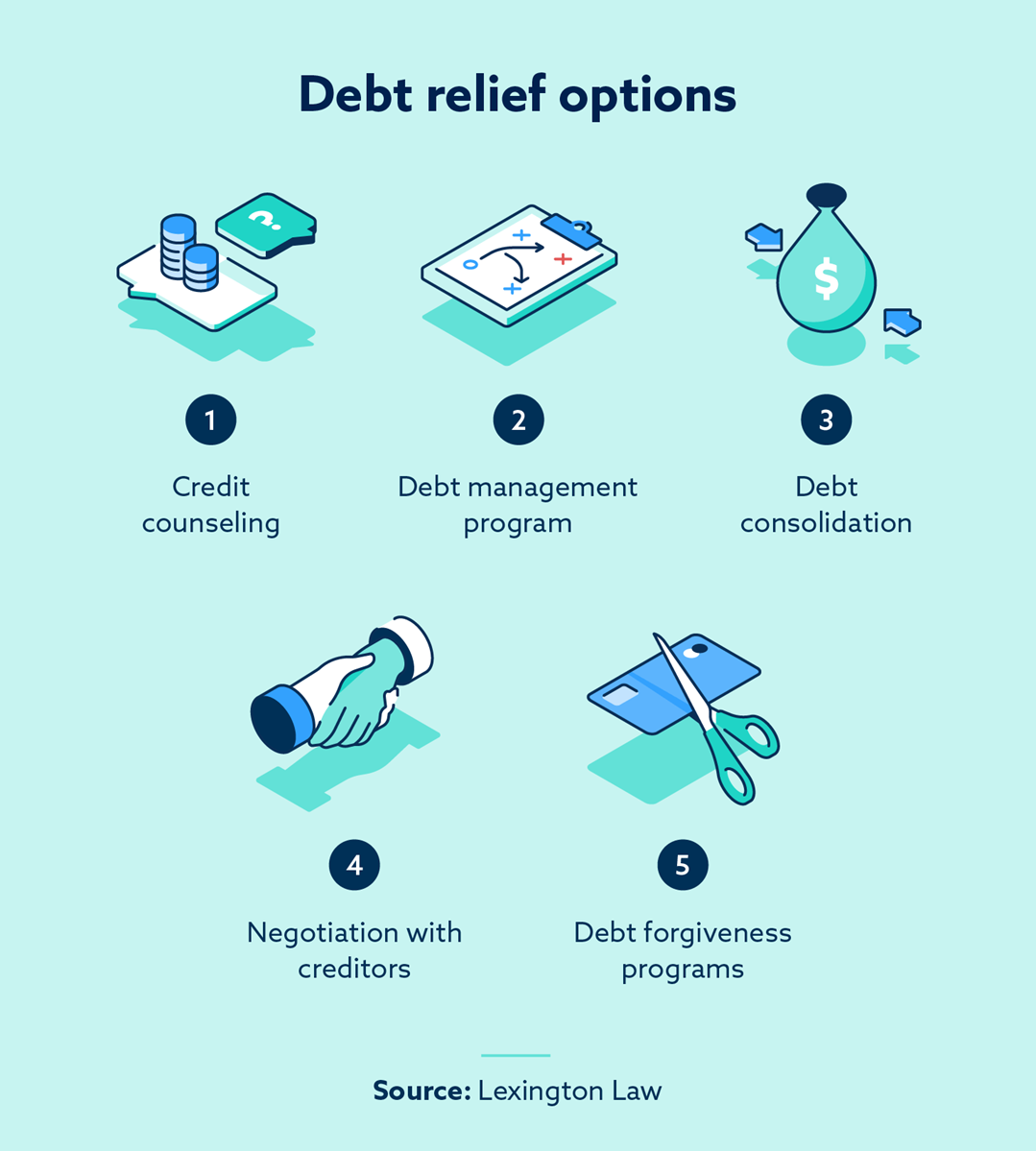
With a DMP, you make one month-to-month settlement to the credit history therapy firm. Those funds are after that distributed to creditors of your unprotected financial obligations, such as bank card and installment finances. The agency collaborates with your creditors to lower rates of interest or waive fees, however some creditors might refuse such giving ins.
A financial obligation combination funding combines your eligible financial debts into one brand-new loan. It can assist you pay down debt if you're able to safeguard a funding rate that's reduced than the average rate of the accounts you're consolidating. You have to avoid from racking up debt on those recently removed accounts or your financial debt could grow also greater.
These cards often supply a 0% interest initial duration of up to 21 months. That provides you lots of time to remove or significantly decrease your balance while making interest-free payments. For some individuals encountering overwhelming financial obligation, insolvency may be the only means to quit collection proceedings and legitimately fix their financial obligations.
Is Bankruptcy Appropriate for You Fundamentals Explained
You may require it if your lender or a collection company ever before tries to gather on the financial debt in the future. When a lender forgives $600 or more, they are called for to send you Kind 1099-C.
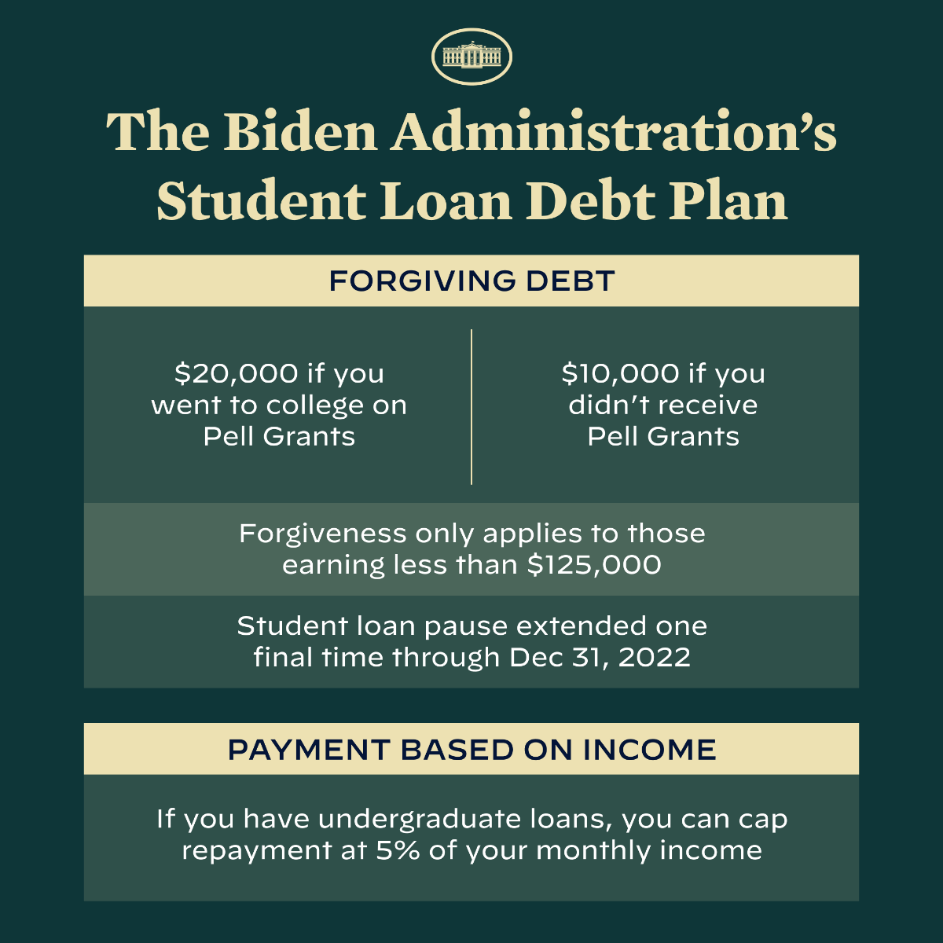
Financial debt forgiveness or settlement generally harms your debt. Anytime you resolve a financial debt for less than you owe, it might show up as "resolved" on your credit score record and impact your credit report for 7 years from the date of settlement. Your credit history can also go down considerably in the months causing the forgiveness if you drop behind on settlements.
Rumored Buzz on "Debt Forgiveness Ruins Your Future" Debunked
This situation frequently results from underreporting income, not filing returns on time, or disparities discovered throughout an IRS audit. The repercussions of collecting tax financial debt are significant and can include tax obligation liens, which give the Internal revenue service a lawful case to your building as protection for the debt.
Greater interest rates on offered credit report. Incomes and Financial institution Accounts IRS can impose (take) salaries and financial institution accounts to satisfy the debt. Minimized earnings and interruption of vital financial procedures. Building Seizure In severe instances, the internal revenue service can confiscate and market property to cover the debt. Loss of useful assets and potential variation.
Social Stigma Facing legal activity from the Internal revenue service can carry social preconception. Employment Opportunities A poor credit score due to tire debt can restrict employment opportunities. Federal government Advantages Tax obligation debt may impact eligibility for government advantages, such as Social Safety And Security and Medicaid.
Some Of How Debt Counselors Work to Secure Why Confidentiality Matters in Nonprofit Financial Services : APFSC
The OIC thinks about numerous variables, including the taxpayer's income, expenditures, property equity, and ability to pay. Successfully working out an OIC can be complex, calling for a comprehensive understanding of the IRS's guidelines and a solid disagreement for why your deal straightens with your ability to pay. It is necessary to keep in mind that not all applications are approved, and the process requires in-depth economic disclosure.
The IRS analyzes your general financial scenario, including your income, expenditures, asset equity, and capability to pay. You have to additionally be current with all filing and payment needs and not remain in an open bankruptcy case. The internal revenue service additionally considers your compliance background, assessing whether you have a document of timely filing and paying taxes in previous years.
3 Easy Facts About Federal Initiatives That Offer Financial Assistance Shown
The application process for an Offer in Concession involves a number of detailed steps. You need to finish and submit IRS Type 656, the Deal in Concession application, and Form 433-A (OIC), a collection info statement for individuals. These forms require comprehensive monetary details, including details regarding your income, debts, expenses, and assets.
Back taxes, which are overdue tax obligations from previous years, can dramatically enhance your overall IRS debt otherwise attended to without delay. This financial debt can accumulate rate of interest and late settlement penalties, making the initial quantity owed much larger in time. Failure to repay tax obligations can result in the IRS taking enforcement actions, such as releasing a tax lien or levy against your property.
It is essential to address back tax obligations as soon as possible, either by paying the total owed or by setting up a payment plan with the internal revenue service. By taking aggressive actions, you can prevent the accumulation of added interest and charges, and stop more aggressive collection activities by the internal revenue service.
One common factor is the idea that the taxpayer can pay the sum total either as a lump sum or with a repayment strategy. The internal revenue service likewise takes into consideration the taxpayer's income, expenses, possession equity, and future earning possibility. If these variables show that the taxpayer can pay for to pay even more than the supplied quantity, the internal revenue service is most likely to reject the deal.
Navigating Debt Relief Options for Overwhelmed Consumers for Beginners
Dealing with IRS financial obligation can be intricate and challenging. Tax obligation specialists, such as Certified public accountants, tax obligation lawyers, or enlisted representatives, can supply invaluable support.

Table of Contents
Latest Posts
The Facts About "Bankruptcy Wrecks Your Future" and More Myths Uncovered
Rumored Buzz on Is What to Expect from the Post-Bankruptcy Debtor Education Course Right for You
The Basic Principles Of Building Your Custom Route to Stability
More
Latest Posts
The Facts About "Bankruptcy Wrecks Your Future" and More Myths Uncovered
Rumored Buzz on Is What to Expect from the Post-Bankruptcy Debtor Education Course Right for You
The Basic Principles Of Building Your Custom Route to Stability